
Teeth Shifting After Braces or Aligners — Why It Happens and What to Do
You wore braces for two years. Or you finished a full round of Invisalign. Your teeth were straight, you were happy — and then, slowly, things started moving back. The lower front teeth crowd up first. A gap reappears. The bite feels slightly off.
This isn’t rare. It’s not a sign that your treatment failed. It’s called orthodontic relapse, and it happens to a significant number of people who’ve had their teeth straightened — regardless of which system they used.
Why teeth shift after orthodontic treatment
Teeth aren’t fixed into your jawbone like fence posts in concrete. They’re held in place by a network of fibres called the periodontal ligament — a living, elastic tissue that connects each tooth root to the surrounding bone. When braces or aligners move a tooth, the bone remodels around its new position, but those fibres retain memory of where the tooth used to sit.
In the first 12 to 18 months after treatment, those fibres are still adjusting. This is the highest-risk period for relapse. But even years later, teeth can drift — due to natural ageing, changes in the jaw, wisdom teeth pushing, or habits like grinding and clenching.
The simple version: your teeth are always under pressure to move. The only thing keeping them in their new position is a retainer — and compliance with retainers is, realistically, inconsistent.
What it looks like when teeth relapse
The most common pattern is lower front crowding. The lower incisors are small, closely packed, and under pressure from the tongue and surrounding teeth. Even a millimetre of drift becomes visible quickly because the teeth are so narrow.
Other common relapse patterns:
- Gaps reopening between upper front teeth, especially if they were closed from a wide diastema
- Rotation of individual teeth back toward their original angle
- Bite changes where the upper and lower teeth stop meeting the way they did right after treatment
- Mild crowding in the upper arch, particularly the lateral incisors
If you’re noticing any of these and you had orthodontic treatment in the past, it’s not unusual. It’s also fixable.
The retainer problem
Every orthodontist tells you to wear your retainer. It’s the right advice. A bonded wire retainer on the back of the lower teeth, combined with a removable retainer worn at night, is the standard approach to maintaining results.
The reality is that retainers break, people forget, the removable tray gets lost on holiday, and life gets in the way. Studies consistently show that long-term retainer compliance drops significantly after the first year or two. By five years post-treatment, a large proportion of patients are wearing their retainer inconsistently or not at all.
This doesn’t make anyone irresponsible. It makes them human. And the orthodontic industry has been slow to design treatment packages that account for this reality.
How most providers handle relapse
If your teeth have shifted and you want them re-straightened, the standard approach is to start a new round of treatment. That means new scans, a new treatment plan, new aligners, and a new fee — typically $3,000 to $6,000 depending on how much movement is needed.
Some Invisalign providers include a limited number of refinement trays in the original treatment fee. But this usually covers mid-treatment adjustments, not relapse that happens months or years after treatment is complete. Once you’re discharged, additional treatment is a new case.
How Spark Clear Aligners handle relapse differently
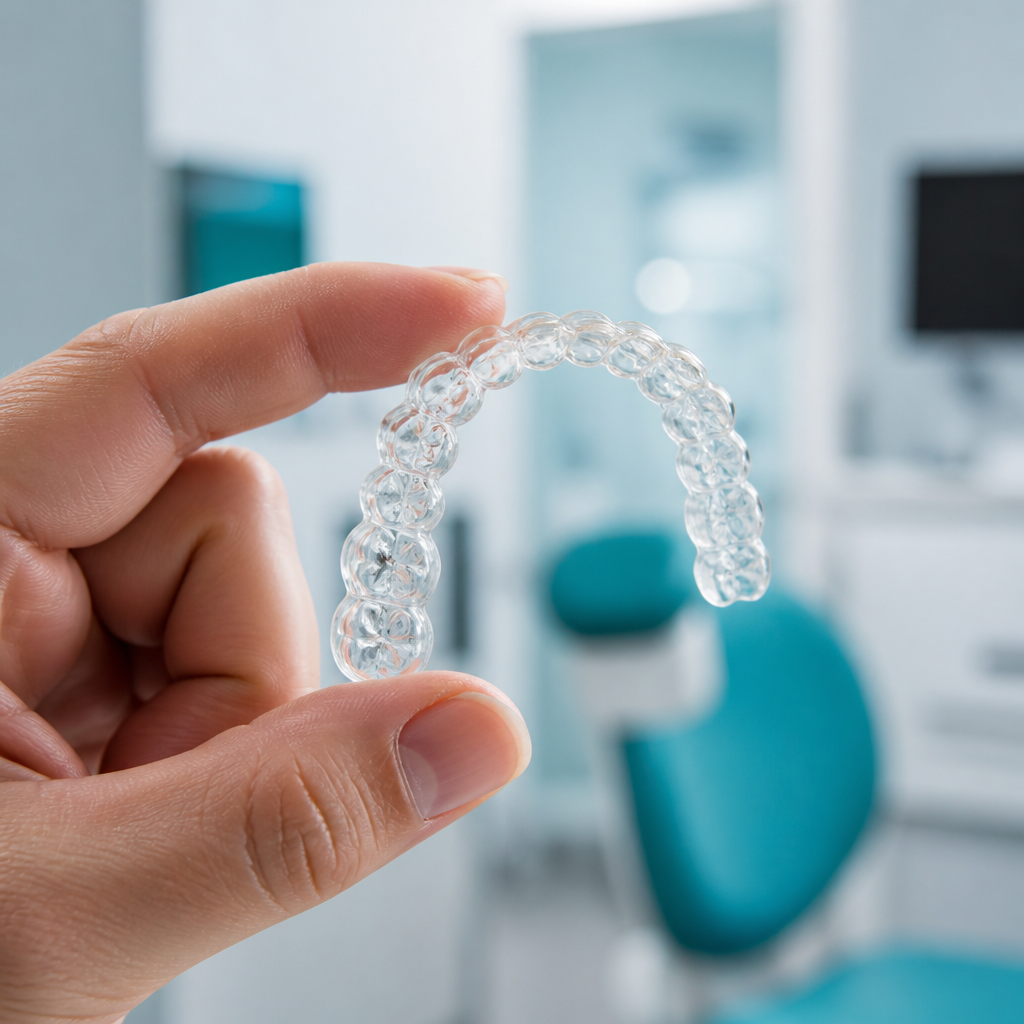
This is the main reason we chose Spark Clear Aligners at Compass Dental Care.
When you start Spark treatment with us, your fee includes five years of unlimited aligners. That means if your teeth shift at any point during those five years — whether it’s six months after finishing or four years later — you’re covered. New aligners, no additional cost, no questions about retainer compliance.
Five years covers the entire high-risk relapse window and well beyond it. Most orthodontic relapse that’s going to happen will happen within this period. Having unlimited coverage means we can catch and correct any drift early, before it becomes a major issue.
What happens after five years
Beyond the five-year window, Compass Dental can still look after you. We have the capability to fabricate aligners in-house for minor corrections — the kind of small movements that happen gradually over time and don’t require a full new treatment plan.
This ongoing support is available to patients who maintain their regular six-monthly check-ups and cleans as recommended by Dr Pham. During those routine visits, we’re monitoring your bite and alignment alongside everything else. If we spot early signs of drift, we can address it in-house before it progresses.
What to do if your teeth have already shifted
If you had braces or aligners years ago and your teeth have moved since, you’re not starting from scratch. Most relapse cases are mild to moderate — the kind of movement that clear aligners handle well, often in a shorter treatment time than the original case.
The first step is a consultation. Dr Thien Pham will assess how much movement has occurred, take digital scans, and give you a clear picture of what re-treatment would involve, how long it would take, and what it would cost.
If you’re a candidate for Spark Clear Aligners, you’ll have the five-year unlimited coverage from day one of your new treatment — meaning this time around, relapse is already accounted for.
Book a consultation at Compass Dental Care or call (08) 8995 9530.


