
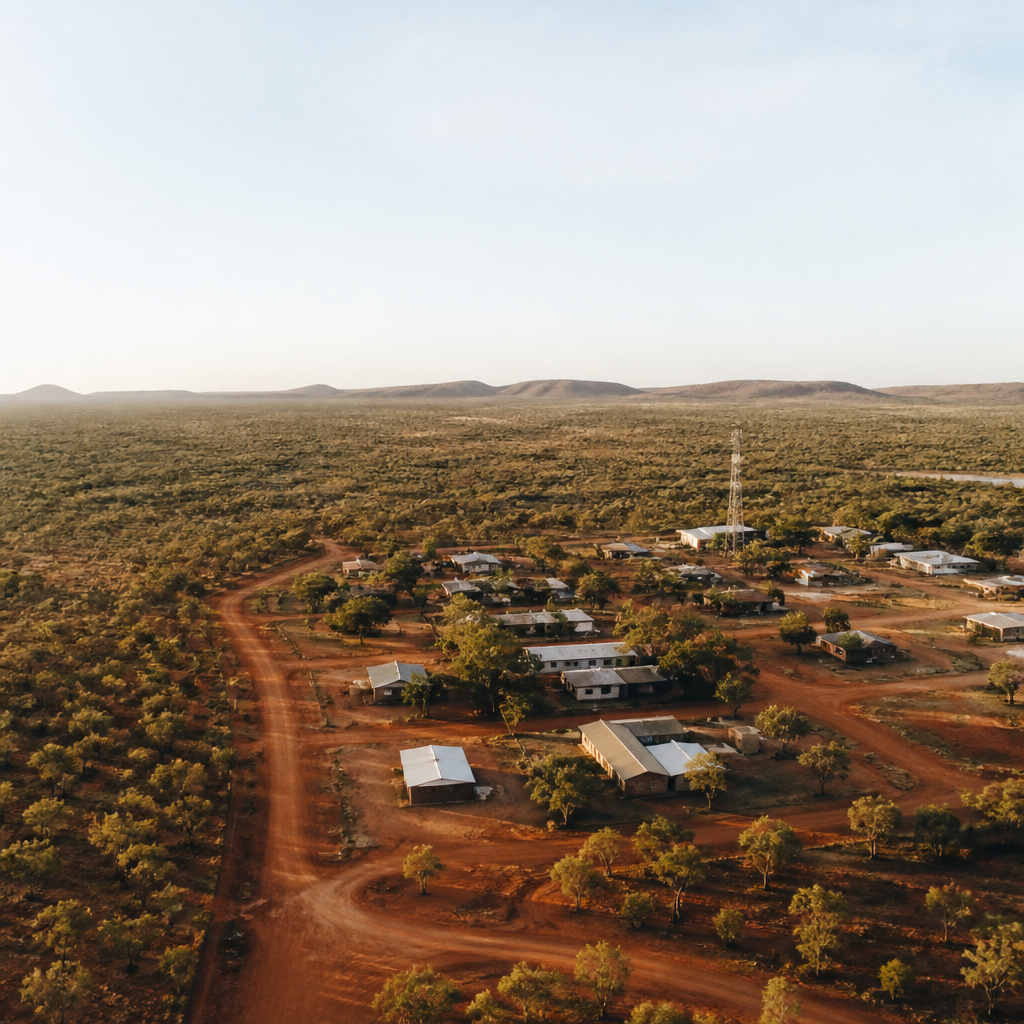
Dental Care for Remote NT Communities
Accessible, Welcoming Dental Treatment in Darwin for Patients from Across the Territory
For people living in remote communities across the Northern Territory, dental care is often one of the hardest health services to access. Visiting dental teams may only come through a few times a year. Public dental wait lists can stretch for months. And when a toothache strikes at night or over a weekend, the nearest dentist might be hundreds of kilometres away.
At Compass Dental in Darwin, we have spent over 10 years caring for patients from right across the NT — from Katherine, Alice Springs, Tennant Creek, and Nhulunbuy to communities in Arnhem Land, the Tiwi Islands, the Daly River region, Central Australia, and beyond. Led by Dr Thien Pham, our team understands the unique challenges that come with living remotely, and we have shaped our practice to meet those challenges head on.
This article is for anyone living in a remote NT community who is thinking about dental treatment in Darwin. Whether you are in pain right now, overdue for a check-up, or just wondering what your options are, we want you to know that you are welcome here — and we are set up to help.
The Dental Care Gap in Remote NT
The Northern Territory has some of the most significant oral health challenges in Australia, particularly in remote and very remote communities. Understanding why this gap exists is important — not because it is anyone’s fault, but because it helps explain why so many people from remote areas arrive at our practice needing more extensive treatment than they might have needed if care had been available sooner.
Limited Access to Services
Many remote communities rely on visiting dental services that may only operate a few times per year. These visits focus on the most urgent cases — extractions for severe pain or infection — with limited capacity for preventive care, fillings, or comprehensive treatment. Non-urgent dental needs often go unaddressed simply because there is not enough time or capacity during these visits.
Long Wait Times for Public Dental
Public dental services in the NT are stretched thin. Even in regional centres like Katherine and Alice Springs, wait times for non-emergency treatment can be substantial. For people in remote communities who need to travel to a regional centre just to get on a waiting list, the barriers compound.
The Cost of Distance
Accessing dental care when you live remotely often means travel costs, time away from family and community, accommodation expenses, and navigating unfamiliar systems. These practical barriers are real, and they contribute to people delaying care.
Oral Health Challenges in Remote Communities
A combination of factors — including limited access to preventive care, higher rates of sugary drink consumption, the cost and limited availability of fresh food in remote stores, lower rates of water fluoridation, and the chronic disease burden — means that oral health problems are more common and often more severe in remote NT communities compared to urban areas.
This is not about blame. It is about understanding the context so that we can provide care that is practical, compassionate, and effective.
Common Dental Problems When Regular Care Is Limited
When access to a dentist is restricted, problems that could have been caught early tend to progress. These are some of the issues we commonly see in patients from remote communities:
Untreated Tooth Decay
A small cavity that could have been filled with a simple restoration may grow over months or years until the decay reaches the nerve of the tooth, causing significant pain and potentially leading to infection or abscess. By this stage, the tooth may need root canal treatment or extraction rather than a straightforward filling.
Gum Disease
Gum disease (periodontal disease) often develops quietly over time. Without regular professional cleaning and assessment, it can advance from mild gingivitis — red, swollen gums that bleed when you brush — to more serious periodontitis, which damages the bone supporting your teeth. Advanced gum disease is a leading cause of tooth loss in adults.
Dental Abscesses and Infections
Untreated decay or gum disease can lead to a dental abscess — a collection of pus caused by bacterial infection. Abscesses can cause intense, throbbing pain, facial swelling, fever, and difficulty eating or swallowing. In severe cases, dental infections can spread and become a serious medical emergency.
Broken or Damaged Teeth
Teeth weakened by untreated decay are more prone to breaking, especially when chewing hard foods. A broken tooth can be painful and is more difficult (and expensive) to repair than a tooth that was treated when decay was first detected.
Wisdom Tooth Problems
Wisdom teeth are a common source of trouble for young adults everywhere, but the problem is amplified when access to dental care is limited. A wisdom tooth that is partially erupted or impacted can cause recurring pain, infection, and damage to adjacent teeth. Without timely treatment, what might have been a straightforward extraction can become more complicated over time. Learn more about our approach to wisdom teeth removal.
Multiple Missing Teeth
When teeth are lost to decay, gum disease, or extraction and are not replaced, it affects the ability to eat properly, speak clearly, and smile with confidence. It can also cause the remaining teeth to shift, creating further problems.
How Compass Dental Supports Patients from Remote Communities
We have designed our approach with remote patients in mind. Here is what that looks like in practice.
Flexible Scheduling Around Your Travel
We understand that getting to Darwin is a significant undertaking. When you contact us, let our team know where you are travelling from and how long you will be in town. We will do our best to schedule your appointments to fit your available time — including early morning or late afternoon slots where possible.
Consolidating Treatment
Rather than spreading treatment out over many appointments, we aim to accomplish as much as we safely can in each visit. If you need a check-up, a clean, and several fillings, we will look at doing it all in one or two sessions rather than four or five. This means fewer trips and less time away from home.
Fast Turnaround for Urgent Cases
If you are coming to Darwin because you are in pain, we will prioritise you. For urgent problems like wisdom teeth, severe decay, or infections, we can often see you and begin treatment within 24 to 48 hours of your arrival. Contact us through our emergency dental page if you need urgent care.
A No-Judgement Approach
This is important, and we want to be clear about it: we will never judge you for the state of your teeth.
Many of our patients from remote communities have not seen a dentist in years — sometimes many years. That is completely understandable given the barriers to accessing care. When you come to Compass Dental, we are not interested in making you feel bad about what has happened in the past. We are focused on where you are now and what we can do to help you moving forward.
Your first visit will involve a thorough but gentle assessment. We will explain what we find in plain language, discuss your options, and help you prioritise treatment based on what matters most to you — whether that is getting out of pain, restoring your ability to eat comfortably, or improving your smile.
Comfortable Treatment Options
We want your experience at our practice to be as comfortable as possible. Our standard approach for procedures includes:
- Local anaesthetic — effective numbing so you should not feel pain during treatment
- Happy gas (nitrous oxide) — a mild sedation option that helps you feel relaxed and calm. You breathe it in through a small nose mask, and it wears off quickly after the procedure
If you are feeling anxious about dental treatment, please tell us. We will take extra time to explain each step and make sure you are comfortable before we proceed.
Cultural Sensitivity and Respect
At Compass Dental, we welcome and respect patients from all backgrounds and cultures.
We recognise that many of our patients from remote NT communities are Aboriginal and Torres Strait Islander peoples, and we are committed to providing care in a way that is culturally safe and respectful. This means:
- Listening first. We take time to understand your concerns and preferences before jumping into treatment.
- Clear communication. We explain things in plain, straightforward language and avoid unnecessary jargon. If English is not your first language, you are welcome to bring a family member, friend, or health worker who can help with communication.
- Respecting your choices. We will always explain your treatment options and respect your decisions about your own care, including if you need time to think or to talk with family before proceeding.
- Understanding the bigger picture. We are aware of the social and environmental factors that affect oral health in remote communities, and we do not make assumptions about individual patients based on where they come from.
- A welcoming space. Our practice is a safe and welcoming environment for everyone. If there is anything we can do to make your visit more comfortable — whether that is having a support person with you, taking breaks during treatment, or anything else — please let us know.
Working with Aboriginal Health Services and Remote Clinics
We are happy to coordinate care with your local health service, Aboriginal health organisation, or remote clinic. This collaboration helps ensure you receive continuous care, not just a one-off visit.
How Coordination Works
Before your visit: Your local health worker or clinic can send us your medical and dental history, recent X-rays, and any relevant notes. This saves time and helps us prepare for your appointment.
During your visit: We provide comprehensive care and develop a treatment plan. If multiple visits are needed, we will prioritise the most important treatment during your current stay in Darwin.
After your visit: We send a detailed treatment summary back to your local clinic or health service, including:
- What treatment was provided
- Any follow-up care needed (such as monitoring healing, continuing antibiotics, or ongoing oral hygiene support)
- Recommendations for your next dental visit
- A treatment plan for any remaining work
This communication means your local health team is kept in the loop and can support your oral health between visits to Darwin.
Referrals and PATS
If your local clinic or doctor refers you to Compass Dental, you may be eligible for the Patient Assistance Travel Scheme (PATS), which helps cover travel and accommodation costs for NT residents travelling more than 200 kilometres for specialist medical or dental care. Check with your clinic or NT Health for current eligibility requirements.
What to Expect at Your First Visit
If it has been a while since you last saw a dentist — or if this is your first time visiting a dental practice — here is what you can expect.
A Warm Welcome
Our reception team will greet you and help you complete a brief medical history form. If you need help with any of the paperwork, just ask — we are happy to assist. You are welcome to bring a support person with you.
A Thorough Assessment
Your dentist will carry out a comprehensive examination of your teeth, gums, and mouth. This may include:
- A visual examination
- X-rays (such as an OPG panoramic X-ray) to see what is happening below the gum line
- Checking for signs of decay, gum disease, infection, and any other concerns
- Assessing your bite and jaw function
A Clear Explanation
We will explain our findings to you in plain language. If there are problems, we will show you what we have found (on the X-ray or using photographs) and explain what your options are. We will never pressure you into treatment — the decision is always yours.
A Treatment Plan
Based on the assessment, we will work with you to develop a treatment plan. If you need multiple treatments, we will help you prioritise:
- Urgent issues — pain, infection, broken teeth
- Important issues — decay that will get worse if left untreated, gum disease
- Maintenance — cleaning, preventive care
- Longer-term goals — replacing missing teeth, cosmetic improvements
We will also give you a clear idea of costs and timing so you can plan.
Maintaining Oral Health Between Visits to Darwin
We understand that you may only be able to visit a dentist once or twice a year — or even less frequently. Between visits, there are practical steps you can take to protect your teeth and gums:
Daily Oral Hygiene
- Brush twice a day with a fluoride toothpaste. Morning and before bed are the most important times.
- Use a soft-bristled toothbrush and replace it every three months or when the bristles start to fray.
- Clean between your teeth daily using floss, interdental brushes, or whatever works for you. This removes plaque and food debris from areas your toothbrush cannot reach.
Diet and Nutrition
- Limit sugary drinks. Soft drinks, energy drinks, cordial, and sweetened fruit juices are among the biggest contributors to tooth decay. Water is always the best choice.
- Limit sugary snacks. Frequent snacking on lollies, biscuits, and other sugary foods exposes your teeth to acid attacks throughout the day.
- Eat fresh fruit and vegetables when available. Crunchy fruits and vegetables also help clean your teeth naturally.
- Chew sugar-free gum after meals if you cannot brush right away. This stimulates saliva production, which helps neutralise acids and wash away food particles.
If You Are in Pain
Do not wait for your next planned visit if you develop dental pain, swelling, or signs of infection. Contact your local health clinic for immediate advice, and call Compass Dental to arrange urgent care in Darwin if needed.
Emergency Dental Situations — Do Not Wait
Some dental problems cannot wait for the next visiting dental team or the next time you are in Darwin. If you experience any of the following, seek help promptly:
- Severe, persistent toothache that is not relieved by over-the-counter pain relief
- Facial swelling — especially if it is spreading or if you have a fever
- Difficulty swallowing or breathing — this is a medical emergency; go to your nearest hospital or call 000 immediately
- A knocked-out tooth — if you act quickly, the tooth may be able to be saved
- A broken tooth with sharp edges causing pain or cutting your tongue or cheek
- Uncontrolled bleeding from the mouth after an injury
For life-threatening emergencies, always call 000 or go to the nearest hospital. For dental emergencies, contact us through our emergency dental page and we will make room for you as soon as you can get to Darwin.
You Are Welcome at Compass Dental
We want every patient who walks through our doors to feel respected, comfortable, and well cared for — regardless of where they have come from, how long it has been since their last dental visit, or what condition their teeth are in.
Dr Thien Pham and the team at Compass Dental have been serving Darwin and the broader Northern Territory for over a decade, and some of the most rewarding work we do is helping patients from remote communities get the dental care they need.
If you are thinking about making the trip to Darwin for dental treatment, get in touch with us. We will help you plan your visit and make sure your time here counts.
You can book an appointment online or give us a call. Let us know you are travelling from a remote area and we will take it from there.


